



How Should Mobility Policies Adapt to Reduced Choice and Rising Costs Ahead of 2026?
Where might mobility policies feel pressure in 2026?
Temporary accommodation budgets and caps
Policies with fixed caps might not match market conditions in 2026. Increasing short-term demand could impact cost predictability for:
· Interns and trainees
· Project-based assignees
· Short-term assignments
· Employees relocating during high-demand periods
Programmes may require temporary budget flexibility or explicit approval procedures for cost deviations.

Duration of stay allowances
If accommodation availability tightens, some employees may need longer stays in temporary housing. Policies with strict duration limits could benefit from flexibility or graduated allowances based on role or move type.
Policy definitions for accommodation types
Where policies specify serviced apartments, minimum standards, or property categories, organisations may need to broaden definitions temporarily. Updating policy language to reflect market fluctuations can help prevent repeated exceptions.
Arrival and onboarding timelines
Time-driven entitlements, such as home search scheduling or household goods delivery windows, might be affected by congestion or limited appointment availability. Policies may require contingency buffers or alternative sequencing options.
Exception frameworks
Many programmes depend on case-by-case exceptions. In a year driven by increased demand, exceptions might rise. Formalising the framework can:
· Maintain fairness
· Support consistent decision-making
· Prevent unnecessary policy drift
· Protect budget governance
A structured, documented exception process may be one of the most effective tools for 2026.


What policy questions should programme owners explore now?
To prepare for a potentially constrained year, mobility leaders may wish to explore:
· Do current caps, allowances, or ceilings accurately reflect 2026 conditions?
· Should short-term accommodation budgets be tiered by role, city, or assignment length?
· Are policy definitions flexible enough to adapt to market shifts?
· Do timelines assume conditions that may no longer be valid?
· Is there a clear process for temporary exceptions that ensures fairness and control?
· How should intern and graduate policies adapt if peak demand coincides with arrival periods?
These questions assist in pinpointing where minor policy adjustments can safeguard both the employee experience and programme integrity.
What practical policy steps support resilience in 2026?
Programmes may benefit from:
· Establishing a temporary 2026 policy addendum instead of rewriting the core policy
· Defining budget tolerance ranges for specific move types
· Creating a standardised exception approval process
· Introducing flexible wording for accommodation categories
· Adjusting time-based entitlements to include reasonable buffers
· Reviewing intern and graduate frameworks where seasonal demand may overlap
These steps maintain structure while allowing programmes to operate effectively during a year of reduced choice.
Explore further planning considerations
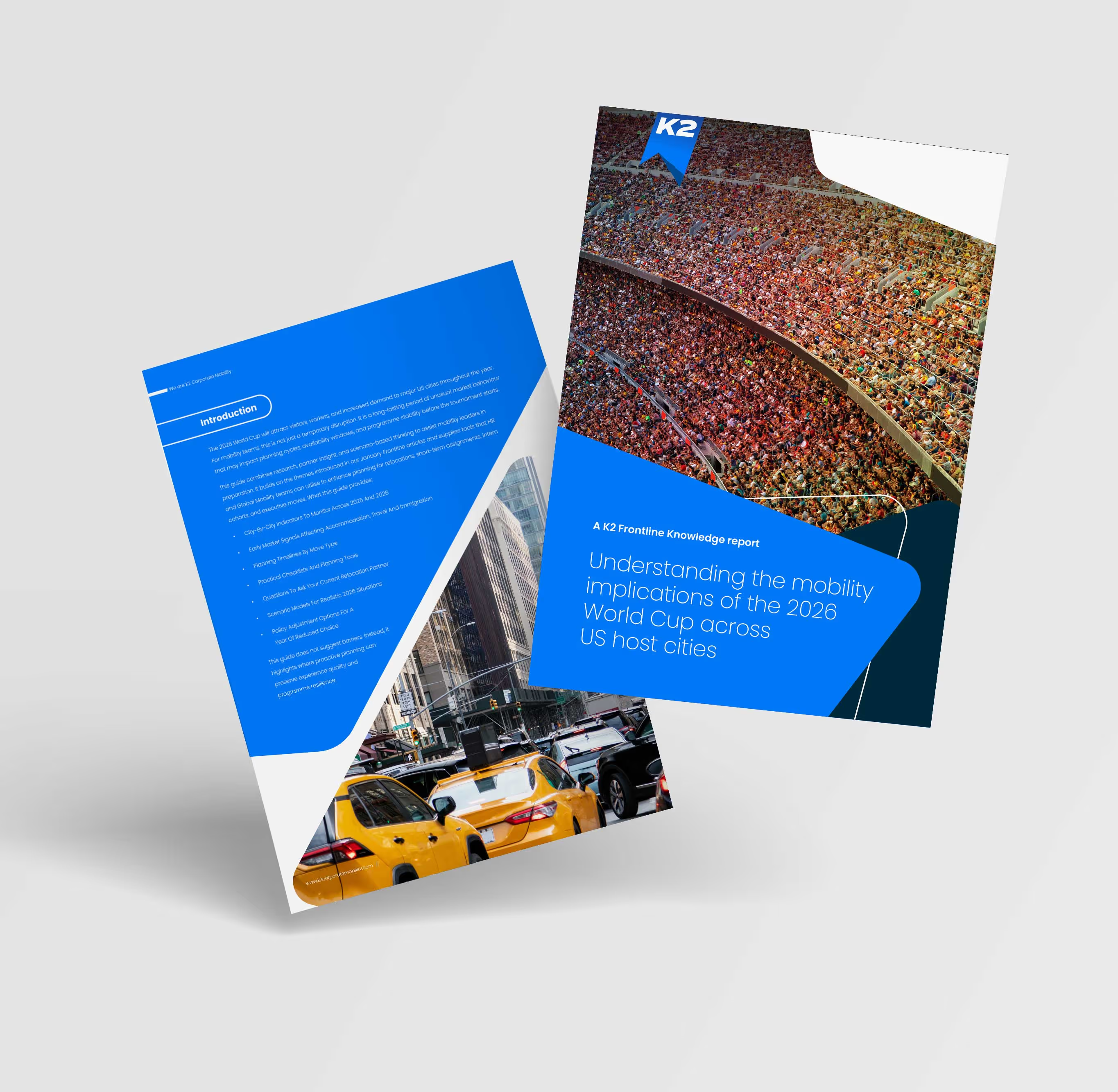
This article provides a policy-focused overview. The full guide includes:
· City-level triggers and indicators
· Structured exception model templates
· In-depth analysis of budget implications
· Planning timelines for each type of assignment
If you wish to explore how these considerations relate to your programme, you can contact your local K2 office here.
For ongoing support, please contact your account manager.
Frequently asked questions
Straight answers to the questions we hear most about workforce mobility.
Why might mobility policies come under pressure in 2026?
+
Reduced accommodation choice and rising costs are expected to strain fixed budget caps, duration limits and time-based entitlements, particularly for short-term assignments, interns and moves during high-demand periods. Policies built for stable markets may need temporary flexibility to hold up.
What is a policy exception framework in global mobility?
+
A structured, documented process for approving deviations from mobility policy. It maintains fairness, supports consistent decision-making, prevents policy drift and protects budget governance, especially in periods when exceptions rise.
Should mobility policy be rewritten when market conditions change?
+
Usually not. A temporary policy addendum with budget tolerance ranges, flexible accommodation definitions and adjusted timelines keeps the core policy intact while letting the programme operate through a constrained period.